For Vets

Understanding Zinc Poisoning, Wire Types, and Fox‑Proofing


Become a member
As a member, you can get tons more helpful resources just like this on our Rabbiting On magazine.
See memberships
Why We Recommend 16g 13mm x 13mm Wire as the Only Fox‑Proof Option
Foxes are incredibly strong, determined predators. No garden is safe from foxes as they can easily get over a 6ft fence, and they are seen out during the day and the night so rabbits need to in a fox proof area day and night.
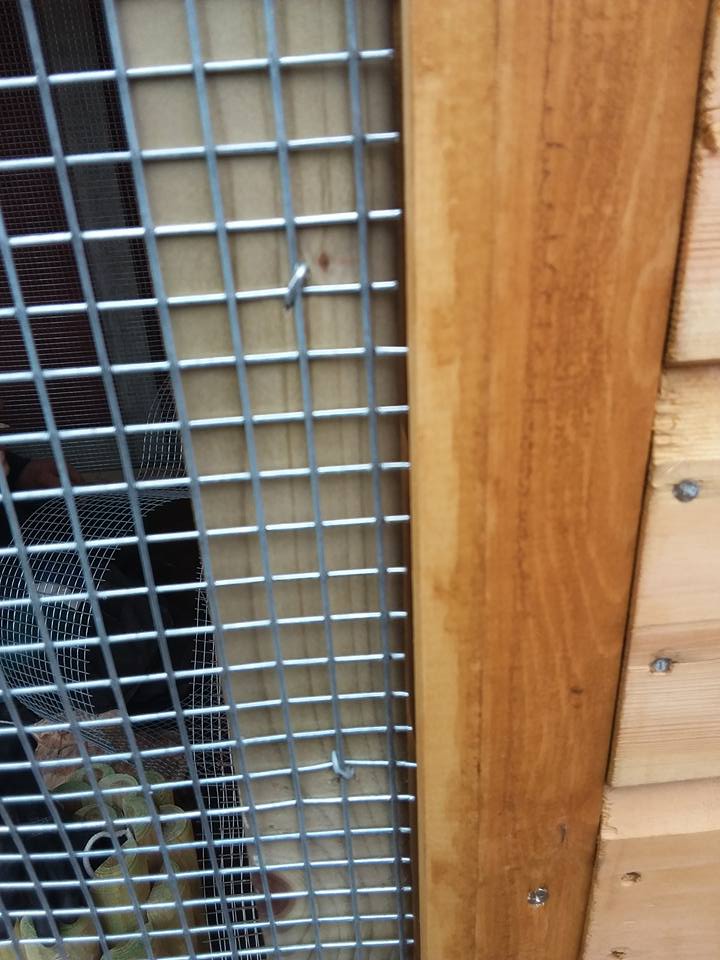
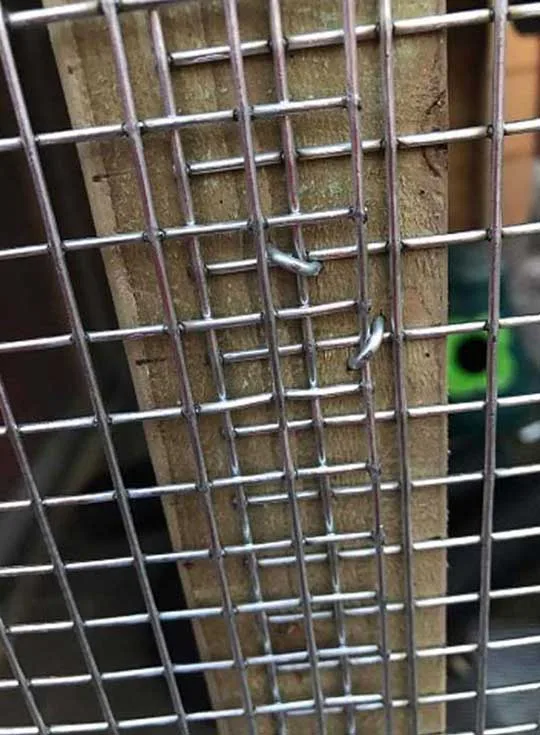
Foxes can bite through thin wire, pull at weak mesh until it bends, dig under or push through poorly secured panels, and exploit any weakness in a run’s structure. So although we focus on the strength of the wire used, it is also vital to use very strong u-shaped nails to hold it in place and not wire staples.
What “16g 13mm x 13mm” means:
- 16 gauge (16g) = approx. 1.6mm wire thickness
- 13mm x 13mm = small square openings (½ inch x ½ inch)
Why 16g is essential:
- Thin wire (19g, 20g, 21g) can be bent or broken by a fox
- Foxes can bite through lighter gauges
- 16g is strong enough to resist pulling, twisting, and chewing
Why 13mm × 13mm is essential:
- Larger holes allow foxes to get their teeth in
- Small apertures prevent foxes from gaining leverage
- Also prevents rats and mustelids like stoats from squeezing through
Welded wire vs chicken wire:
- Welded wire mesh is rigid and strong
- Chicken wire is soft, flexible, and not predator‑proof
- Foxes can shred chicken wire in minutes
Is Galvanised Wire Safe for Rabbit Runs?
Something that doesn’t get discussed as often , but it also important, is the difference between stainless steel and galvanised wire.
RWA&F recommend using stainless steel, and any RWA&F approved housing will use stainless steel and not galvanised wire. Stainless steel is safer, as there is no risk of zinc poisoning, and is more durable, but it is more expensive.
Stainless Steel vs Galvanised Wire: What’s the Difference?
Stainless Steel Mesh
Pros:
- No zinc coating — zero risk of zinc ingestion
- Extremely durable and rust‑resistant
- Smooth surface that doesn’t flake
- Long lifespan outdoors
Cons:
- Higher upfront cost
Galvanised Steel Mesh
Pros:
- Affordable
- Strong enough for predator protection
- Widely available
Cons:
- Contains zinc
- Coating can wear down
- Risk increases if rabbits chew the wire
What Is Zinc Poisoning?
Zinc is a metal that in high doses it becomes toxic. Galvanised steel is coated in zinc to prevent rusting, and if an animal chews or ingests enough of that coating, it can lead to zinc toxicity.
Although it is not reported in rabbits as often as it is in birds, it is still a real risk, and that is why we only recommend stainless steel.
How zinc poisoning happens:
- Rabbits chew the wire and ingest flakes of zinc
- The coating wears down over time, especially in damp UK weather
- Corroded or rough galvanised surfaces shed zinc more easily
Symptoms of zinc poisoning in rabbits:
- Lethargy
- Loss of appetite
- Diarrhoea
- Pale gums
- Weakness or wobbliness
- Increased thirst or urination
- Weight loss
If you are not sure what type of wire it is, look at the colour:
| Stainless steel | Galvanised steel |
| Bright, clean silver | Duller grey |
| Slightly “cooler” tone | Sometimes has a slightly mottled or patchy appearance |
| Looks the same across the whole surface | Can look a bit cloudy or uneven |
Stainless Steel Mesh
- Smooth and shiny appearance
- Extremely long-lasting
- No risk of zinc poisoning
Galvanised Mesh
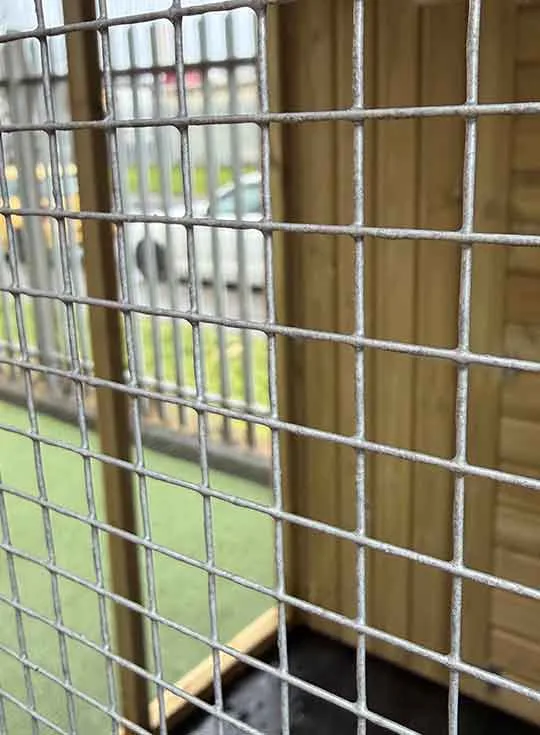
- Dark grey appearance
- Zinc coating to steel wire
- Risk of zinc poisoning
If you already have galvanised wire
Although we do not recommend galvanised wire, for the sake of thoroughness, there are two different types and one is less risky than the other.
1 – electro‑galvanised has a smoother, less chewable surface
2 – hot‑dipped has a rough service which is easier to chew.
If you already have galvanised wire:
1. Inspect the mesh regularly:
- Chew marks
- Bare patches
- Rust spots
- Flaking or powdery areas
- Sharp edges
2. Watch your rabbits’ behaviour:
- Repeated biting
- Scraping teeth along the mesh
- Chewing corners or edges
3 Monitor for health symptoms:
- Lethargy
- Appetite loss
- Diarrhoea
- Other concerning symptoms
Final Thoughts
- Stainless steel is the safest material for rabbit runs, especially for chewers.
- 16g 13mm × 13mm welded wire is the only fox‑proof option and should be used for all external panels, but make sure it is held in place securely.
RWA&F only recommends 16g 13mm x 13mm stainless steel wire.
Join our newsletter
Get regular rabbit news, welfare updates, care tips, and stories from the community delivered straight to your inbox.


Related articles
Megacolon Syndrome
Megacolon syndrome is a relatively common condition of rabbits. Clinically affected rabbits present with frequent bouts of gut stasis, increased...
Rabbit Nails
Part of a rabbit’s toolbox Rabbits have five toes on their front feet and four on their back feet. Their...
Space Recommendations
We have a lot of enquiries about our minimum space recommendations for rabbits, so we thought it would be helpful...