For Vets

RWAF Response to RVC Rabbit Ear Disease Study
Press
Health

Richard Saunders
BSc (Hons) BVSc FRSB CBiol DZooMed (Mammalian) DipECZM(ZHM) MRCVS Rabbit Welfare Association and Fund Veterinary Advisor
Published
28th May 2026


Become a member
As a member, you can get tons more helpful resources just like this on our Rabbiting On magazine.
See memberships
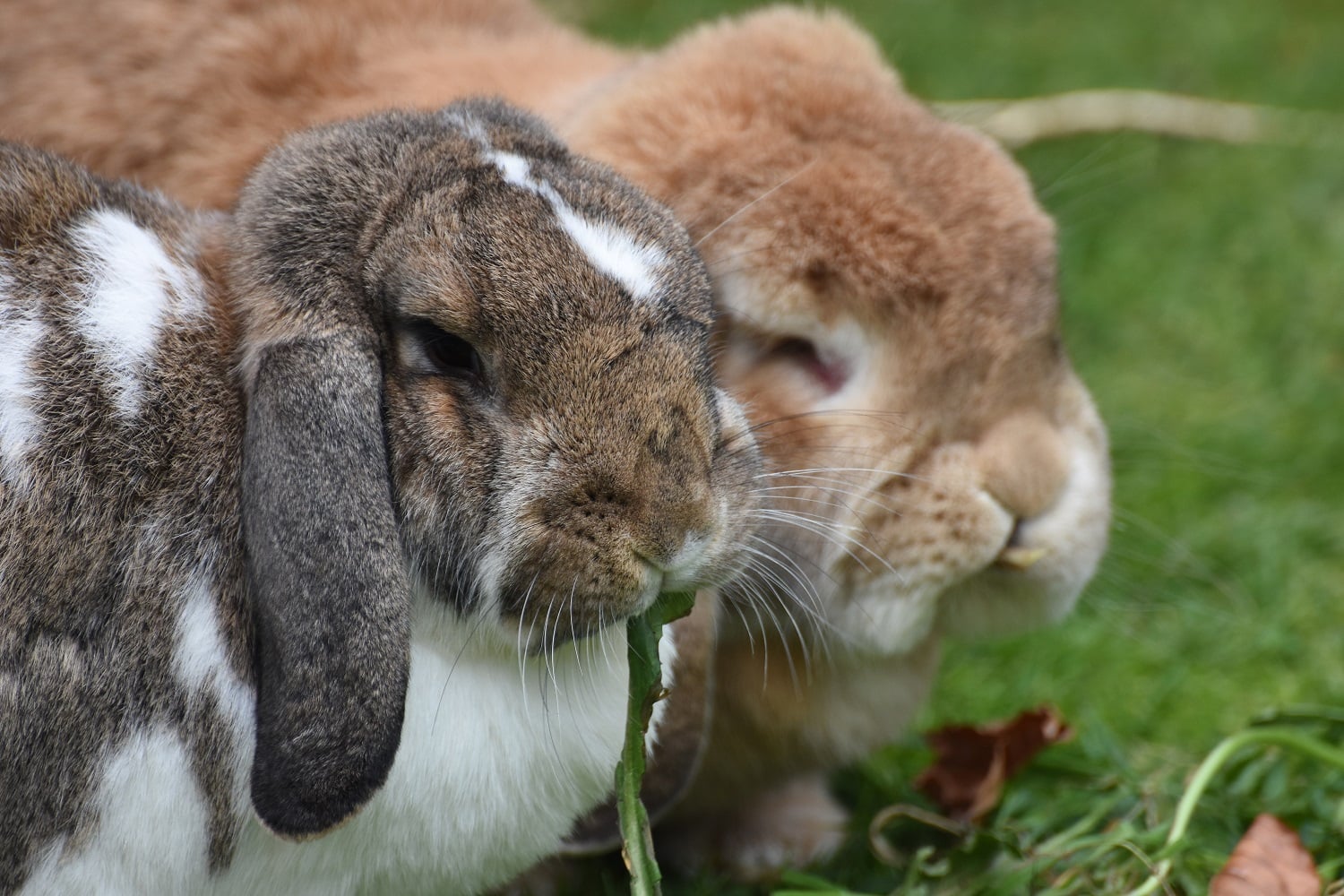
RWAF’s reaction to the recently published Rabbit conformational predispositions to ear abnormalities: Field study of a pedigree population – ScienceDirect is that this study confirms what many of us already suspected and see repeatedly with the rabbits in our care at home, in adoption centres, and in practice: certain rabbit breeds, especially lop-eared and brachycephalic types, have serious welfare issues. These findings reinforce why we strongly believe brachycephalic breeds should not be bred.
As John Chitty BVetMed CertZooMed MRCVS urges:
“Avoid buying baby lop-eared rabbits, and do not support the breeding of them; adopt instead.”
And Emma Milne BVSc FRCVS reinforces this message:
“We have long urged people not to buy lop-eared rabbits, and this study backs this advice. We should not be breeding animals that are disadvantaged from birth. In this rabbit welfare crisis, there are thousands of rabbits needing homes, some of which are lop-eared. Let’s care for the rabbits that are here, now and stop breeding and buying lops in the future.”
Richard Saunders:
“Rabbits have evolved to have iconic, upright ears, which are vital for communication and hearing, and to have straight, healthy ear canals. This study shows that selective breeding for “lop” ears has caused a range of health and welfare problems in such rabbits”
What was studied?
Researchers examined 435 pedigree rabbits from 49 breeds to see if certain body shapes (like lop ears or flat faces) make rabbits more likely to have ear problems. These rabbits were volunteered by their breeders and were probably considered healthy, so the real situation in the wider rabbit population could be even worse.
Key findings
Ear problems were very common:
- 86% of rabbits had flaky discharge in the ear canal.
- 42% had narrowing of the ear canal (called stenosis).
- Many had signs that suggest ear inflammation or infection (otitis externa).
Lop-eared rabbits were most at risk:
- Almost all ear problems were more common in lop-eared rabbits.
- Their ear canals are bent and narrow, which traps wax and discharge.
- This can lead to chronic pain, itching, and even hearing loss.
Flat-faced (brachycephalic) rabbits:
- These were linked to ear canal narrowing, which can also cause problems.
Other risk factors:
- Big rabbits had more ear issues and were harder to examine.
- Long-haired rabbits had more discharge and irritation.
- Older rabbits were more likely to have ear problems and hearing loss.
Why does this matter?
- Ear disease in rabbits is often hidden; you might not see obvious signs.
- Rabbits can suffer silently with pain, itching, and hearing loss, which can cause stress, aggression, or changes in behaviour.
- Lop-eared rabbits are especially vulnerable, and these problems are hard to cure because of their ear shape.
What should owners and caregivers do?
- Regular vet checks: Ask for an ear exam, even if your rabbit seems fine.
- Watch for signs: Head shaking, scratching, lethargy, or behaviour changes.
- Avoid breeders: Avoid encouraging these welfare problems, and do not buy baby rabbits from breeders.
- Extra care for lop-eared rabbits: They need more monitoring and may require treatment for chronic ear issues.
Bottom line
Lop ears may look cute, but they come with serious health risks. Many rabbits in this study had ear problems despite appearing healthy, so the true scale of the issue is likely worse. Owners and caregivers should be proactive about ear health to prevent pain and improve welfare.
Here is a handy checklist for rabbit owners and caregivers
Look out for these signs that may indicate ear problems:
Behavioural Signs
- Frequent scratching at the ears or rubbing the head on surfaces
- Excessive head shaking or tilting the head
- Lethargy or irritability (may indicate pain)
- Startles easily or seems jumpy (possible hearing loss)
Physical Signs
- Redness or crusts inside the ear canal
- Flaky or wet discharge in the ear canal
- Swelling at the base of the ear
- Unpleasant odour from the ears
- Changes to the shape or sores developing on the ear
Other Clues
- Reduced response to sounds
- Loss of balance or coordination
- Changes in grooming habits
Join our newsletter
Get regular rabbit news, welfare updates, care tips, and stories from the community delivered straight to your inbox.


Related articles
News
RWA&F statement in response to BBC decision over Sort Your Life Out episode
Rae Walters, Director at the Rabbit Welfare Association & Fund says; “We are hugely disappointed by the decision and statement...
Press
Preloved and RSPCA join Rabbit Welfare Association & Fund’s Breeding Amnesty Campaign
Leading online classified retailer prohibits sale of rabbits, as other charities join the call for legislation change as UK is...
Rabbit Welfare
New rabbit meat farm application in Rutland
When we were objecting to planning applications in Cornwall and Buckinghamshire, our supporters got together with whatever they could afford,...